
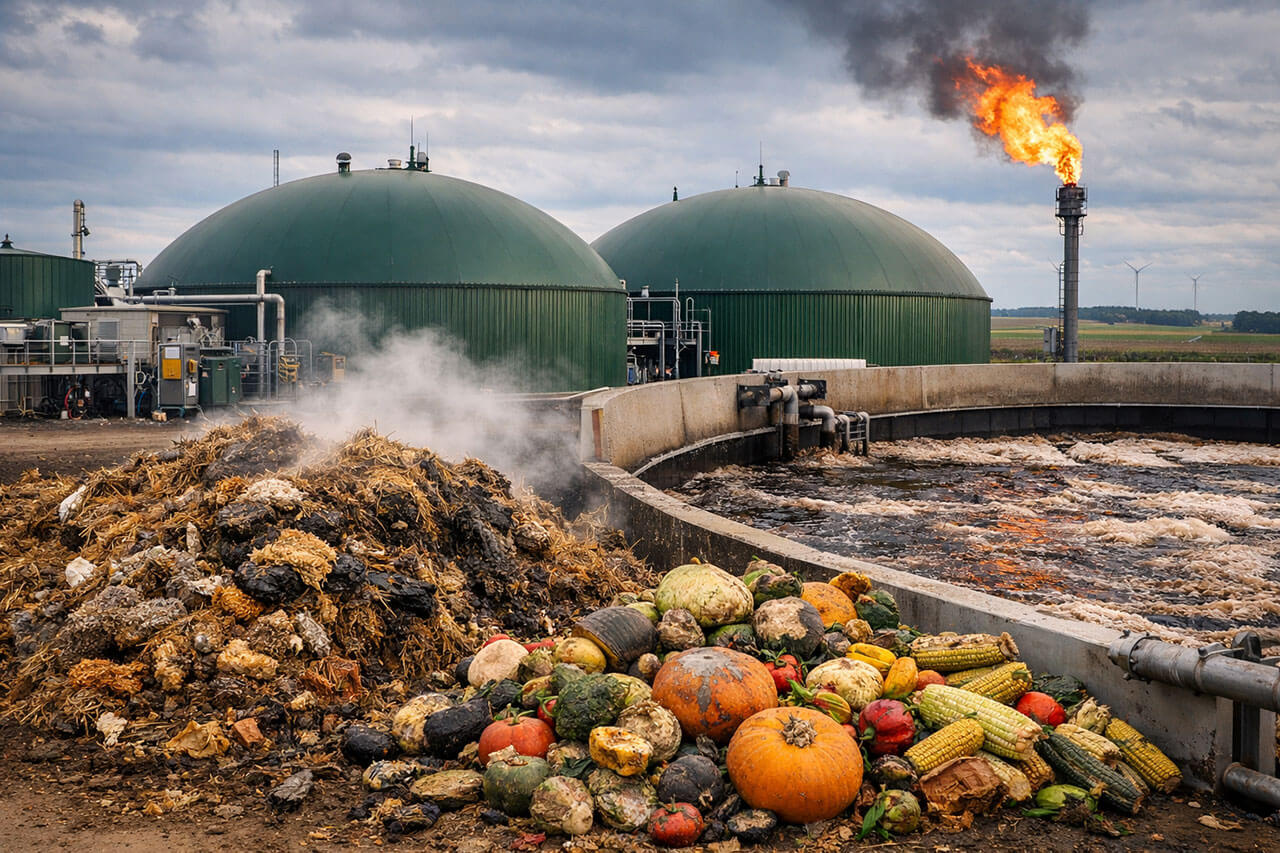
Feedstock variability is one of the leading causes of instability and failure in anaerobic digestion systems.
Even well-designed facilities can experience performance issues when input materials are inconsistent or poorly managed.
Understanding how variability impacts system behavior is essential for maintaining stability, maximizing methane production, and avoiding costly disruptions.
What Is Feedstock Variability?
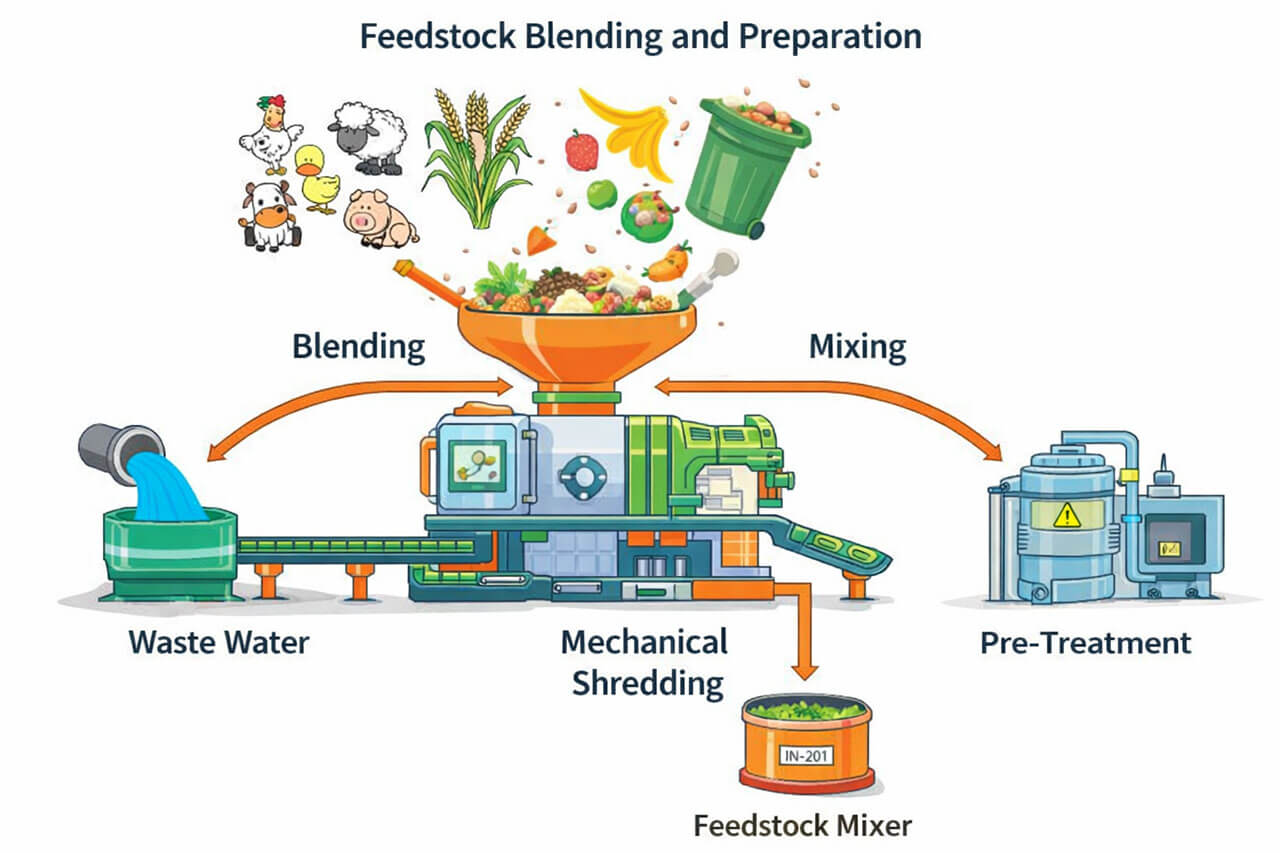
Feedstock variability refers to changes in the composition, quality, or characteristics of the organic material entering a digester.
These variations may include:
- Differences in organic content
- Changes in moisture levels
- Presence of contaminants or inhibitors
- Fluctuations in nutrient balance
Understanding anaerobic digestion highlights how sensitive biological systems are to input conditions.
Why Variability Disrupts System Stability
Anaerobic digestion relies on a stable microbial ecosystem.
When feedstock characteristics change, microbial populations may struggle to adapt quickly, leading to imbalances in the digestion process.
This can result in:
- Reduced methane production
- Accumulation of acids
- pH instability
- Increased risk of system failure
Learn more about instability
The Chain Reaction of Feedstock Changes
Even small variations in feedstock can trigger a series of reactions within the system.
For example:
- A sudden increase in easily degradable material can lead to rapid acid production
- Excessive acids can lower pH levels
- Low pH can inhibit methane-producing microorganisms
Understanding volatile fatty acids is key, as they play a central role in this chain reaction.
Common Sources of Feedstock Variability
Inconsistent Supply Streams
Changes in feedstock sources or suppliers can introduce variability in composition and quality.
Seasonal Changes
Agricultural and organic waste inputs often vary by season, affecting system performance.
Lack of Pre-Processing
Insufficient sorting, mixing, or preparation can result in uneven feedstock characteristics.
Uncontrolled Blending
Combining different materials without proper analysis can create imbalances that impact microbial activity.
The Impact on System Performance
Feedstock variability can lead to a wide range of operational issues, including:
- Fluctuating gas production
- Increased downtime
- Reduced system efficiency
- Greater operational risk
Learn how variability affects performance
Strategies to Reduce Variability
Managing feedstock variability requires a proactive approach.
Standardizing Inputs
Where possible, maintaining consistent feedstock composition helps stabilize biological processes.
Blending for Balance
Careful blending of materials can help achieve optimal nutrient and organic content levels.
Explore feedstock optimization
Monitoring Feedstock Quality
Regular evaluation of feedstock characteristics allows operators to identify changes before they impact performance.
Adjusting Loading Rates
Aligning input rates with system capacity helps prevent overloading and instability.
Learn how loading impacts production
The Role of Real-Time Monitoring
Feedstock variability cannot always be eliminated—but it can be managed.
Real-time monitoring provides visibility into how changes in feedstock impact system performance.
This allows operators to:
- Detect variability early
- Adjust inputs and operating conditions
- Maintain system stability
Learn more about Real-Time Monitoring
Using Data to Manage Variability
Data-driven insights help operators understand how different feedstock inputs affect system behavior.
Advanced analytics can:
- Identify patterns in feedstock performance
- Predict the impact of changes
- Optimize blending and loading strategies
Preventing Failures Through Better Control
Feedstock variability is one of the most controllable factors in anaerobic digestion.
Facilities that actively manage inputs and monitor system response are better equipped to prevent failures and maintain consistent performance.
Building More Stable and Predictable Systems
Reducing variability leads to:
- Improved methane production
- Greater system stability
- Lower operational risk
Operators who prioritize feedstock management create more predictable and efficient systems.
Explore how Nirova supports optimization